Soaring begins
John Macone and Alan Bemis began soaring in the Mad River Valley from Estey Air Park, a field north of Route 100 near what is now Estey’s field in Waitsfield.
Est. on this site · 1966
Warren–Sugarbush Airport grew from a few soaring enthusiasts into a place generations of pilots, students, skiers, and neighbors have called their own.
The airport’s history is inseparable from the Mad River Valley’s soaring community. Local initiative created the field, added its unmistakable architecture, paved the runway, and ultimately formed an ownership group to protect it for aviation.
John Macone and Alan Bemis began soaring in the Mad River Valley from Estey Air Park, a field north of Route 100 near what is now Estey’s field in Waitsfield.
Warren Ketcham and other local residents developed the present Warren–Sugarbush Airport site to serve the valley’s growing interest in gliding and small-aircraft flying.
The distinctive tower, designed by local architect Dave Sellers, was built in 1967. The runway was paved the following year.
Faced with financial challenges, a group of enthusiastic airport users formed Granite Intersection, Inc. to purchase the property and preserve it for small-aircraft activity.
The Sugarbush Soaring Association was established as a Vermont not-for-profit corporation to promote soaring and help develop the airport’s operations, hangars, and aircraft.
The airport remains known for thermal, ridge, and mountain-wave soaring. In summer it supports aviation, instruction, scenic flights, and youth programs; in winter, the land becomes Ole’s Cross-Country Ski Center.
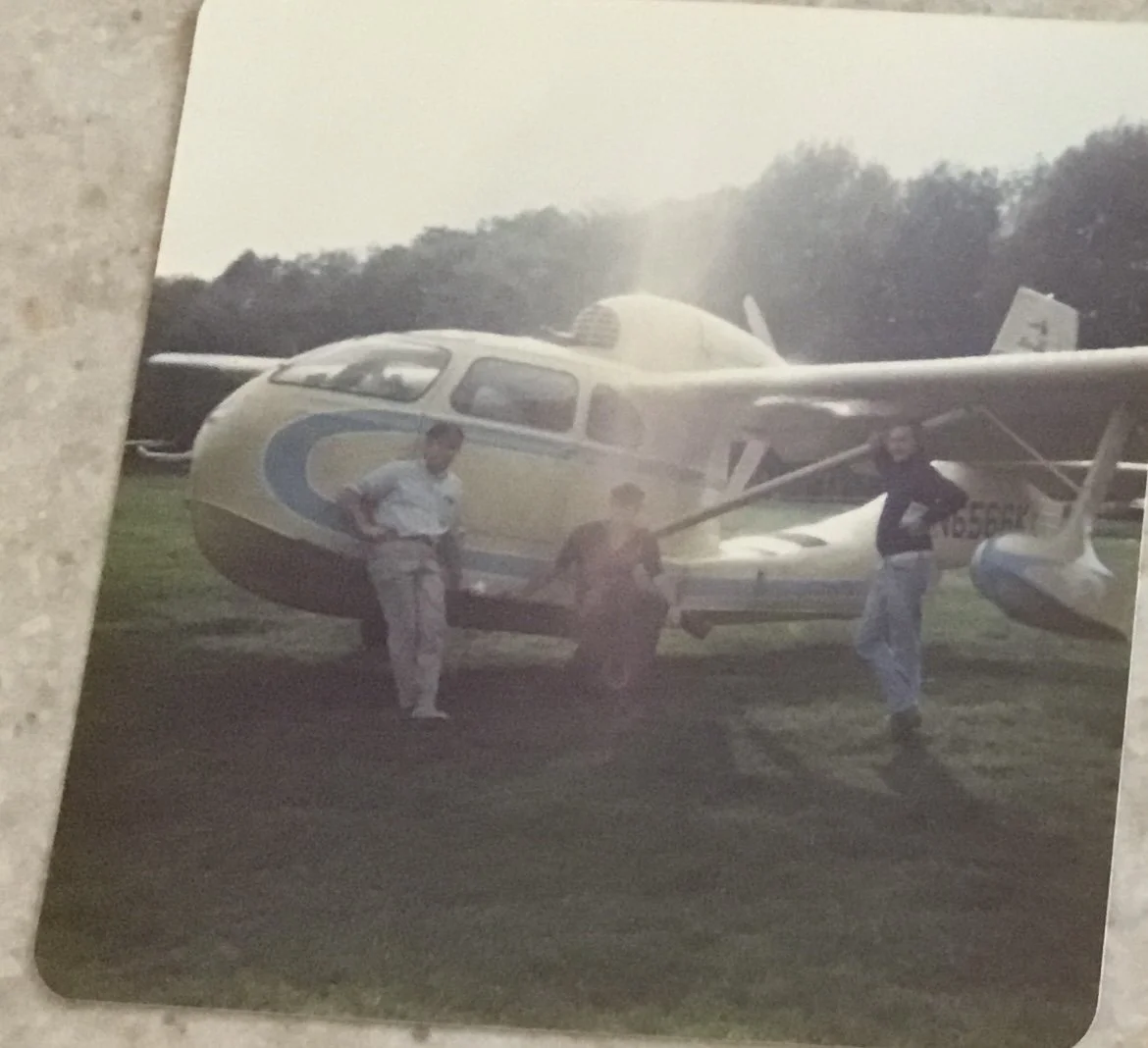
A living history
Airplanes changed, organizations grew, and the seasons kept turning—but the spirit of this place has always come from the people gathered around the field.
Return to the airportSources & further reading
This timeline draws on histories maintained by Sugarbush Airport and Sugarbush Soaring. If you have photographs, dates, or stories that belong here, please contact the airport.